

By Nina Mohamed

Taiwan’s healthcare system is widely regarded as one of the most efficient and effective in the world, often ranking at or near the top of global indices such as the CEOWORLD Health Care Index dominating the global medical stage. What makes this particularly impressive is that Taiwan achieves high quality care, universal access, and low costs simultaneously, a balance that many larger and wealthier nations struggle to maintain.
At the centre of Taiwan’s success is its National Health Insurance system, introduced in 1995. This is a single payer system, meaning the government acts as the main insurer, covering nearly the entire population. In simple terms, everyone pays into the system through taxes and contributions, and in return, they have access to healthcare when needed. This ensures that financial barriers are minimised, so people are far less likely to delay treatment due to cost. In countries without universal coverage, delayed care can lead to more severe illness and higher long term costs, something Taiwan has largely avoided.
One of the most striking features of Taiwan’s healthcare system is its affordability. Patients typically pay low fees for consultations, treatments, and medications. Despite this, the system remains financially sustainable. This is achieved through careful government regulation of prices, efficient administration, and widespread use of technology. For example, Taiwan has a highly developed digital health infrastructure. Citizens use a smart health card that stores medical information and allows healthcare providers to quickly access patient records. This reduces paperwork, prevents duplication of tests, and improves overall efficiency.


Access to healthcare in Taiwan is also notably fast and convenient. Patients can often see specialists without needing a referral from a general practitioner, and waiting times are generally short compared to many Western healthcare systems. This ease of access encourages early diagnosis and treatment, which improves outcomes and reduces the likelihood of complications. In contrast, systems that rely heavily on long waiting lists can unintentionally allow conditions to worsen before they are treated.
Taiwan’s use of artificial intelligence is particularly effective because it operates within a highly centralised and digitally integrated healthcare system. Unlike the National Health Service and the more fragmented US system, Taiwan has unified national health records, allowing AI to access large, consistent datasets across the entire population. This enables faster implementation and more accurate analysis across hospitals and clinics.
AI is used in several key ways, including analysing medical images such as scans to detect diseases earlier, supporting doctors in diagnosis and treatment decisions by processing patient data, and predicting disease trends to improve public health responses. It also helps manage electronic health records and reduce administrative workload, allowing doctors to focus more on patient care. As a result, AI in Taiwan is integrated into everyday clinical practice rather than being limited to specific areas, making it a more efficient and impactful tool in improving patient outcomes.
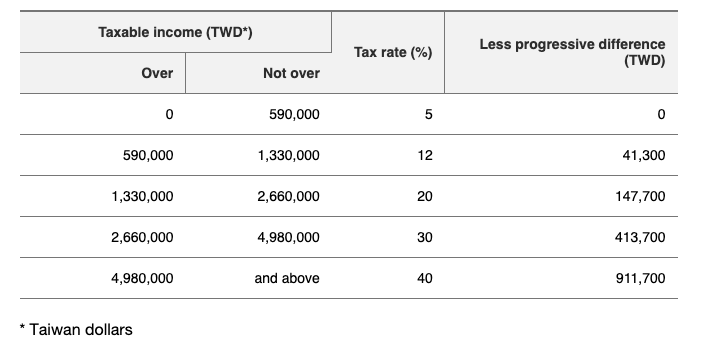
However, Taiwan’s healthcare success is not without challenges. Because access is so easy and costs are low, there is a risk of overuse. Some patients visit doctors more frequently than necessary, which can put pressure on healthcare providers. There are also ongoing concerns about long term funding, particularly as the population ages and demand for healthcare increases. An ageing population typically requires more medical care, especially for chronic conditions such as heart disease and diabetes.
Despite these challenges, Taiwan continues to adapt and improve its system. Policies are regularly updated to manage demand and ensure sustainability. For example, small co payments are used to discourage unnecessary visits while still keeping care affordable. The government also invests in medical research and innovation, helping to maintain high standards and improve treatment options.
When compared to countries such as the United States or the United Kingdom, Taiwan’s strengths become even clearer. The United States, while a leader in medical research and advanced treatments, has high healthcare costs and uneven access. Many people face significant financial barriers, which can delay care. The United Kingdom’s National Health Service provides universal coverage, but it often struggles with long waiting times and resource constraints. Taiwan, in contrast, manages to provide both accessibility and efficiency, which is why it performs so well in global rankings.
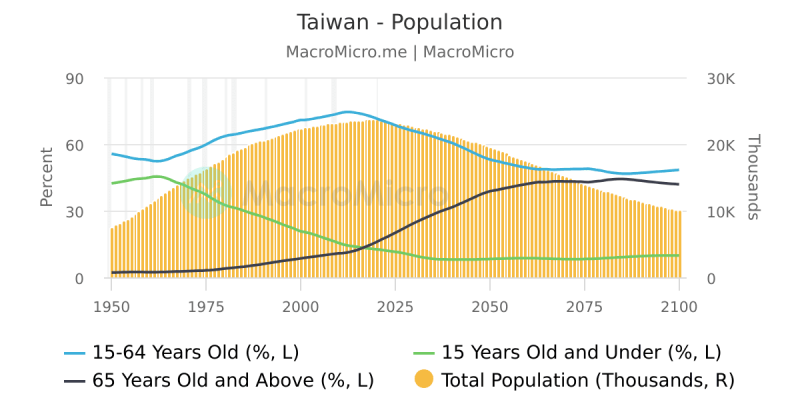
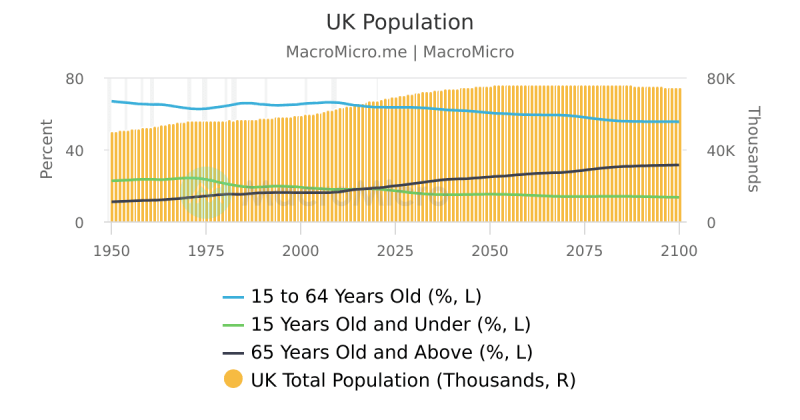
A key lesson from Taiwan’s system is the importance of balance. High quality healthcare alone is not enough if people cannot access it or afford it. Similarly, universal access is less effective if the system is slow or under resourced. Taiwan demonstrates that it is possible to combine these elements successfully through strong organisation, smart use of technology, and a focus on patient needs.
In conclusion, Taiwan’s healthcare system stands out as a model of efficiency, accessibility, and quality. Its single payer structure ensures universal coverage, while its use of digital technology and effective management keeps costs low and services fast. Although challenges such as overuse and an ageing population remain, Taiwan continues to refine its approach.
Image adresses, Datw accessed 25/03/26:
https://encrypted-tbn0.gstatic.com/images?q=tbn:ANd9GcRK-GKyvXszFfKNAb7zIZv-MDk9MlvTb0oCjw&s
https://cdn.macromicro.me/files/charts/388/388-en.png?v=1761582860


Add comment
Comments